

What Happens When You Upload a File to ChatGPT or Claude?
AI chatbots can now read PDFs, spreadsheets, and images—but how do they actually process your files, and what should you know before uploading?
AI chatbots can now read PDFs, spreadsheets, and images—but how do they actually process your files, and what should you know before uploading?
Why ChatGPT sometimes writes code in a separate block and sometimes inline—and how the models choose between showing, explaining, or doing both.

Large language models confidently answer questions they have no real knowledge about. Here’s why that happens and what you can do about it.

AI summary tools promise to save time, but they can strip out critical context, flatten nuance, and create false confidence. Here’s when to skip the summary and read the original.
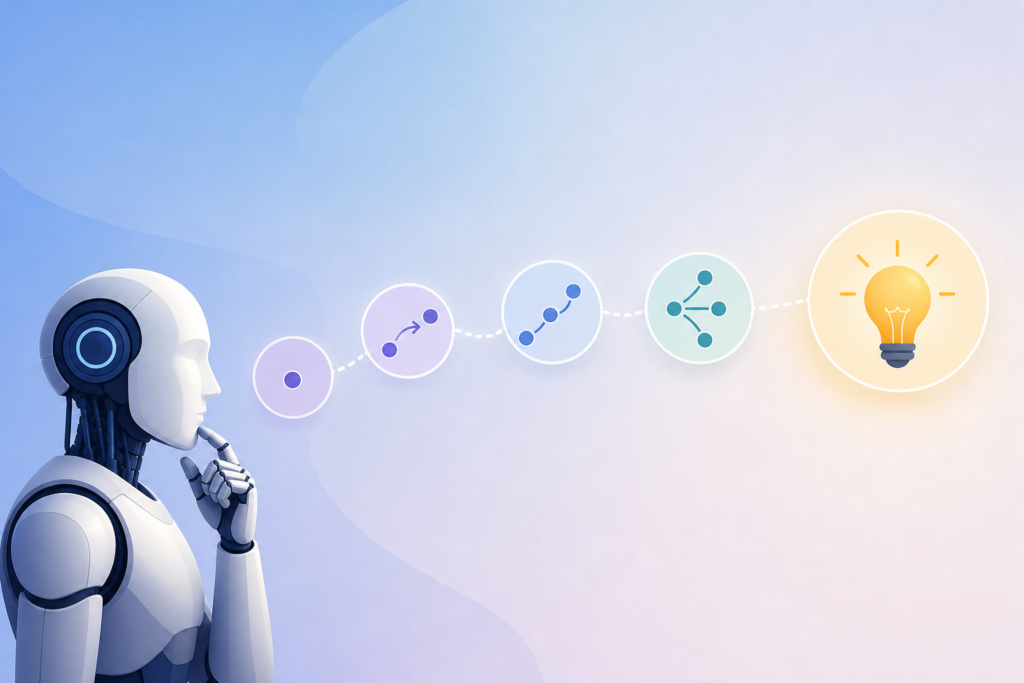
Chain-of-thought prompting makes AI show its reasoning step by step. Here’s what it actually does, when it helps, and when it just wastes tokens.

AI chatbots can now remember your preferences across conversations — but how do they choose what’s worth keeping, and what gets forgotten?

Temperature controls how creative or predictable AI answers are. Here’s what it actually does and when adjusting it makes a difference.

Large language models can write code and explain calculus, yet sometimes fail at basic arithmetic. Here’s what’s actually happening under the hood.

RAG lets AI models pull fresh information from external sources instead of relying only on training data. Here’s how it works and why it matters for accuracy.

When you correct ChatGPT or Claude mid-conversation, does it remember for next time? We tested what happens when you teach AI a new fact, fix a mistake, or change its behavior.