
What Happens When You Upload a File to ChatGPT or Claude?
AI chatbots can now read PDFs, spreadsheets, and images—but how do they actually process your files, and what should you know before uploading?
AI chatbots can now read PDFs, spreadsheets, and images—but how do they actually process your files, and what should you know before uploading?

Why ChatGPT sometimes writes code in a separate block and sometimes inline—and how the models choose between showing, explaining, or doing both.

Large language models confidently answer questions they have no real knowledge about. Here’s why that happens and what you can do about it.

OpenAI’s Canvas interface, which gives you a dedicated workspace for writing and coding alongside ChatGPT, is now available to everyone—no subscription required.

AI summary tools promise to save time, but they can strip out critical context, flatten nuance, and create false confidence. Here’s when to skip the summary and read the original.
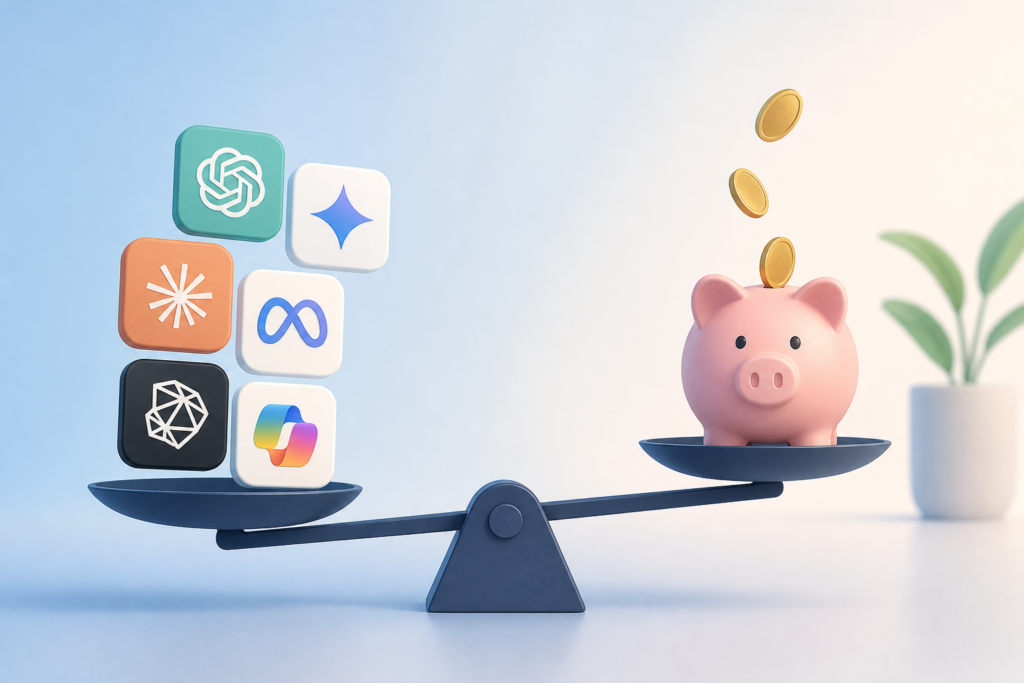
ChatGPT Plus, Claude Pro, and Gemini Advanced all cost around $20 per month. We break down when it makes sense to subscribe to more than one — and when it’s a waste of money.

AI models love to be thorough—sometimes too thorough. Here’s how to get concise, useful answers without the extra paragraphs you didn’t ask for.
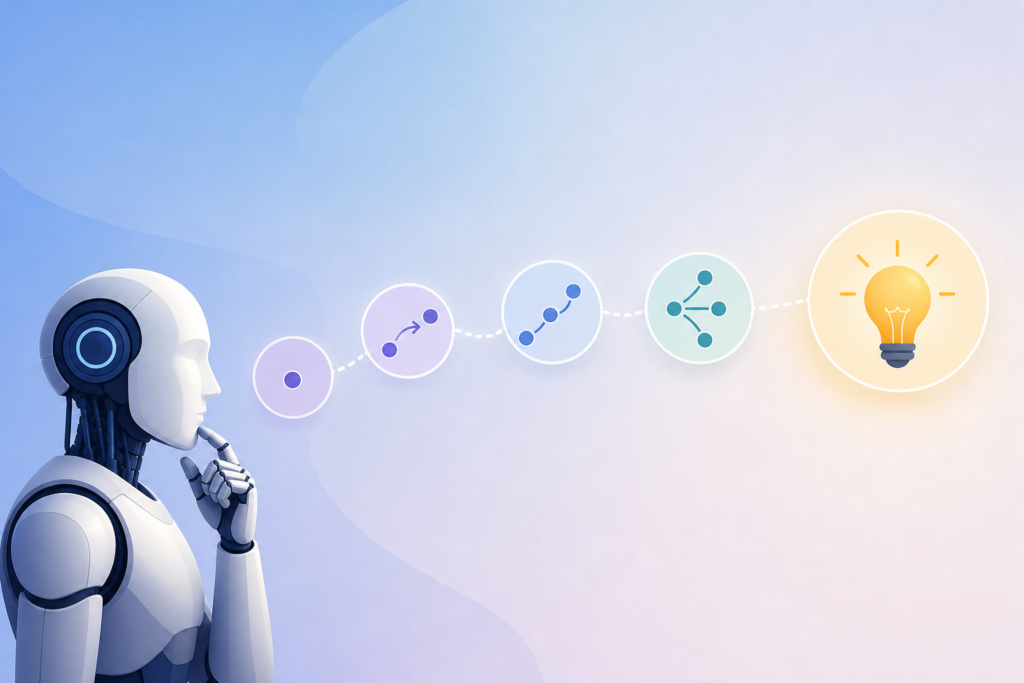
Chain-of-thought prompting makes AI show its reasoning step by step. Here’s what it actually does, when it helps, and when it just wastes tokens.

AI chatbots can now remember your preferences across conversations — but how do they choose what’s worth keeping, and what gets forgotten?

No cloud uploads, no API keys, no subscriptions. These AI tools process everything locally in your browser using WebGPU and WebAssembly—here’s what they can do and when they’re worth using.