OpenAI Launches ChatGPT Canvas for All Free Users
OpenAI’s Canvas interface, which gives you a dedicated workspace for writing and coding alongside ChatGPT, is now available to everyone—no subscription required.
OpenAI’s Canvas interface, which gives you a dedicated workspace for writing and coding alongside ChatGPT, is now available to everyone—no subscription required.
Claude Pro and Team subscribers now have access to Projects, a new organizational feature that lets you group conversations, documents, and custom instructions in one place. Here’s what it does and whether it’s worth using.

Google’s newest model brings live video and audio processing, agentic features, and native tool integration. Here’s what changed and what it means for everyday users.
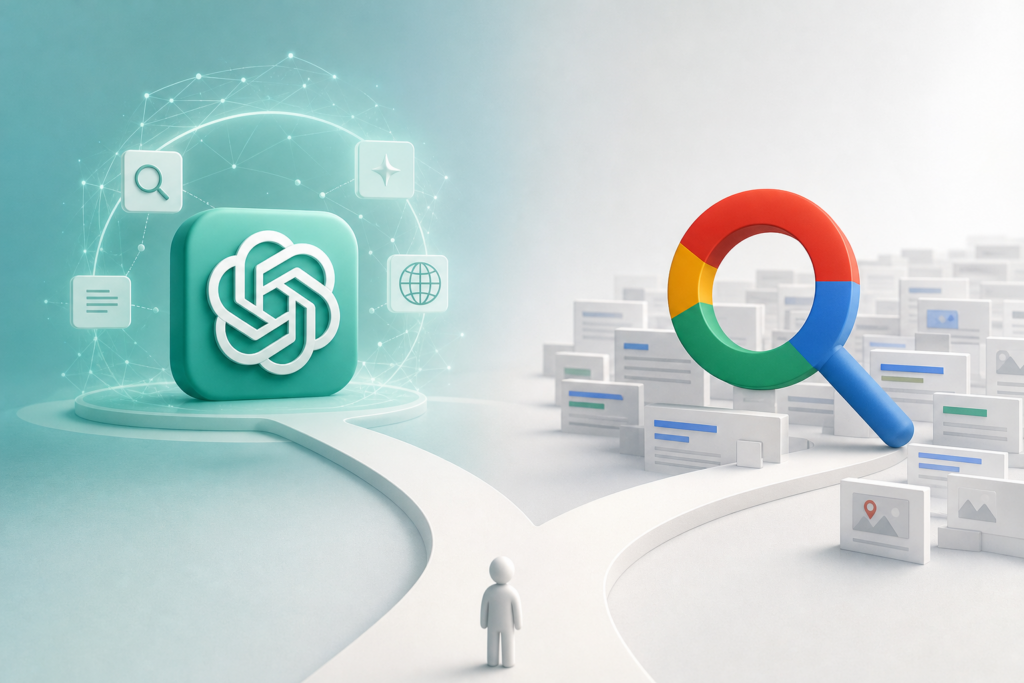
OpenAI added web search to ChatGPT. Here’s how it actually works compared to traditional search engines, what it does better, and where it still falls short.

Users keep claiming ChatGPT and Claude aren’t as good as they used to be. We looked at the research, tested the models, and found out what’s really happening.

Gemini Advanced now remembers your preferences, work style, and past conversations across sessions—bringing it closer to parity with ChatGPT’s memory features.

OpenAI’s new Canvas interface lets you edit text and code side-by-side with ChatGPT, making revisions faster and more precise than traditional chat.

Google’s newest lightweight model processes text, images, and audio in real time—and it’s free to use. Here’s what makes Gemini 2.0 Flash different and when you should reach for it.

AI companies have scraped most of the internet. As publicly available text data becomes scarce, here’s what researchers are doing to keep models improving.

We tested whether ChatGPT, Claude, and Gemini can write long-form fiction. Here’s what worked, what failed, and what writers should know about AI’s creative limits in 2026.