
Is AI-Generated Content Detectable? The 2026 Reality
AI detection tools promise to flag machine-written text, but how well do they actually work? We tested the claims against real-world results.
AI detection tools promise to flag machine-written text, but how well do they actually work? We tested the claims against real-world results.

Every time you use ChatGPT, Claude, or Gemini, you’re being charged by the token. Here’s what that actually means and why it matters for your wallet.

System prompts control how AI models behave—but most users never see them. Here’s what they are, how they work, and why understanding them makes you better at using AI.

Prompt chaining breaks complex AI tasks into smaller, connected steps. Here’s how it works, when it helps, and when a single prompt is actually better.

Ever had ChatGPT or Claude lose track of a conversation mid-thread? Here’s what’s actually happening when AI models seem to forget, and what you can do about it.

RAG lets AI models pull in external information on the fly. Here’s how it works, why it matters, and when you’d actually use it.

Model distillation is how AI companies create smaller, faster versions of their best models. Here’s how it works and why it matters for the tools you use every day.

Context windows determine how much information AI models can remember at once. Here’s what they are, why they’re getting bigger, and what that means for your daily work.

Fine-tuning lets you customize AI models for specific tasks—but it’s not always necessary. Here’s what it is, how it works, and when it’s worth the effort.
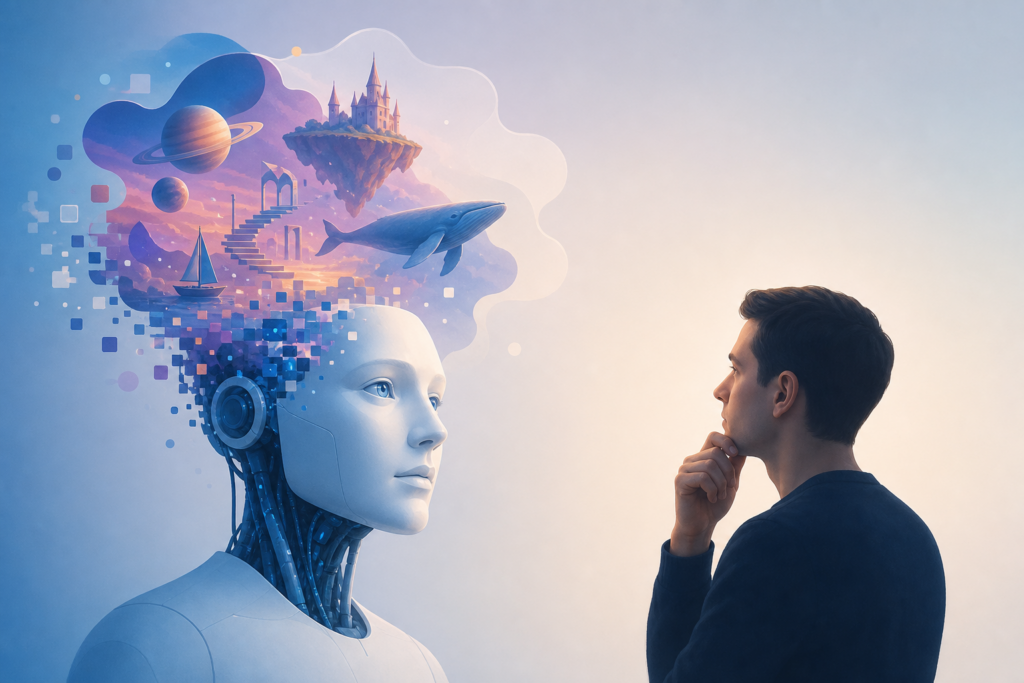
AI models sometimes make up facts with complete confidence. Here’s why it happens, how to recognize it, and what you can do about it.