
When to Use Local AI Models Instead of ChatGPT or Claude
Running AI on your own computer isn’t just for privacy enthusiasts. Here’s when local models like Llama or Mistral actually make more sense than cloud services.

Running AI on your own computer isn’t just for privacy enthusiasts. Here’s when local models like Llama or Mistral actually make more sense than cloud services.
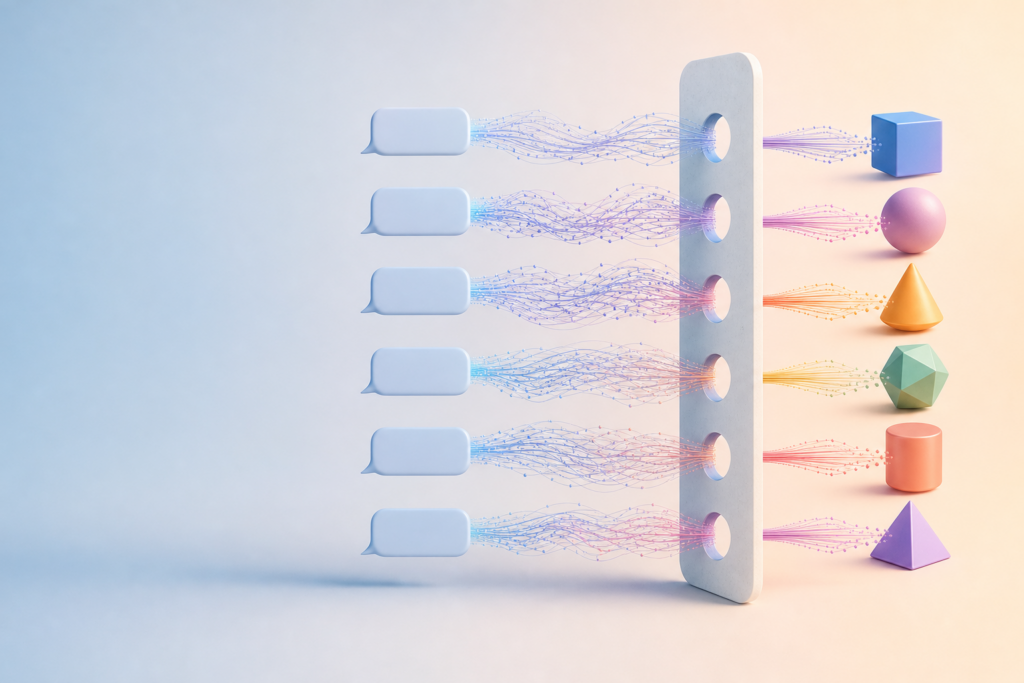
Adding a single specific constraint to your prompts—like word count, audience, or format—produces sharper, more useful AI outputs. Here’s how to use constraints strategically.

We tested ChatGPT, Claude, and Gemini on fact-checking accuracy. Here’s what they got right, what they missed, and when you can trust them to verify information.

Your prompts worked yesterday. Today they don’t. Here’s what’s actually happening when AI models seem to break overnight—and what you can do about it.

AI models need massive amounts of text to learn from. But we’re approaching the limits of available internet data—and that changes everything about how future models will improve.
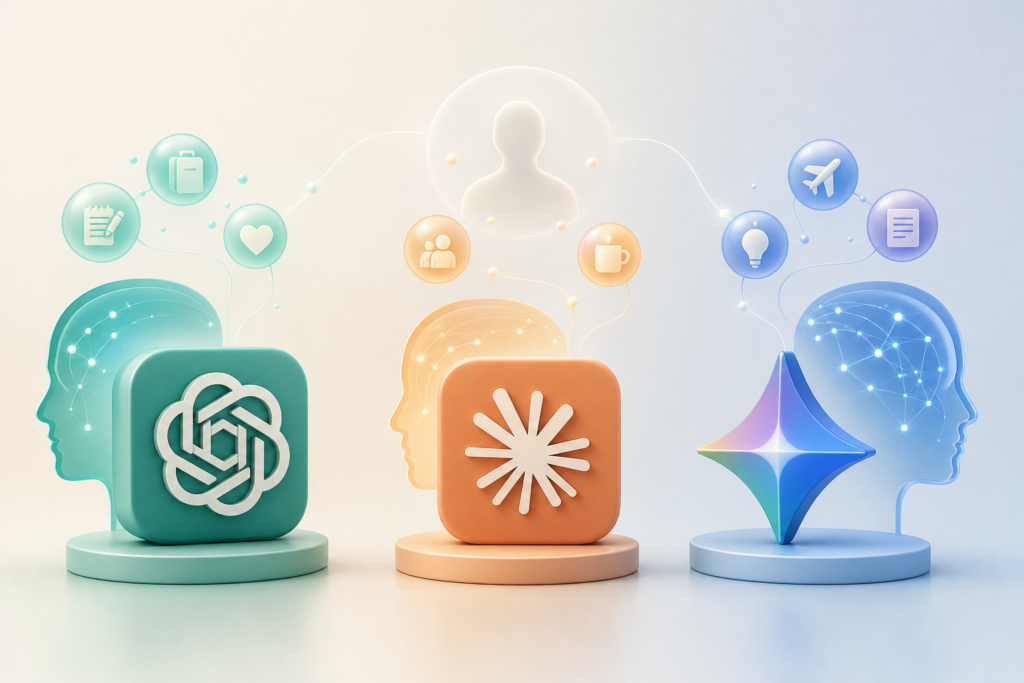
Memory features let AI chatbots recall your preferences across conversations. We tested how ChatGPT, Claude, and Gemini handle personal context — and which one actually uses it well.
ChatGPT and Claude excel at short-form writing but struggle with long reports. Here’s what’s actually happening under the hood—and how to work with it.
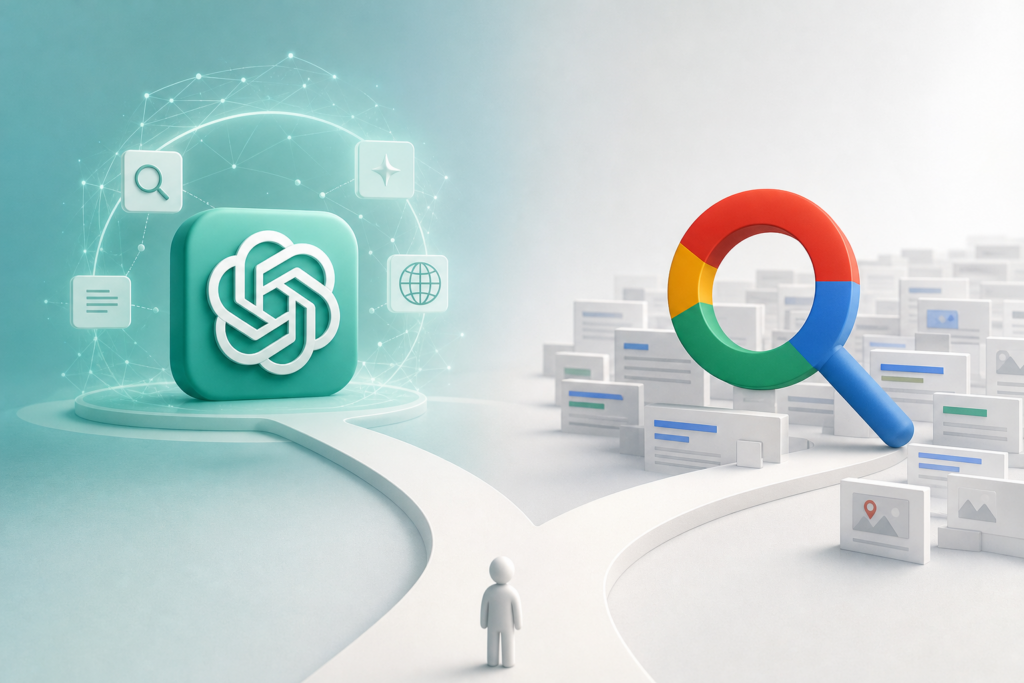
OpenAI added web search to ChatGPT. Here’s how it actually works compared to traditional search engines, what it does better, and where it still falls short.
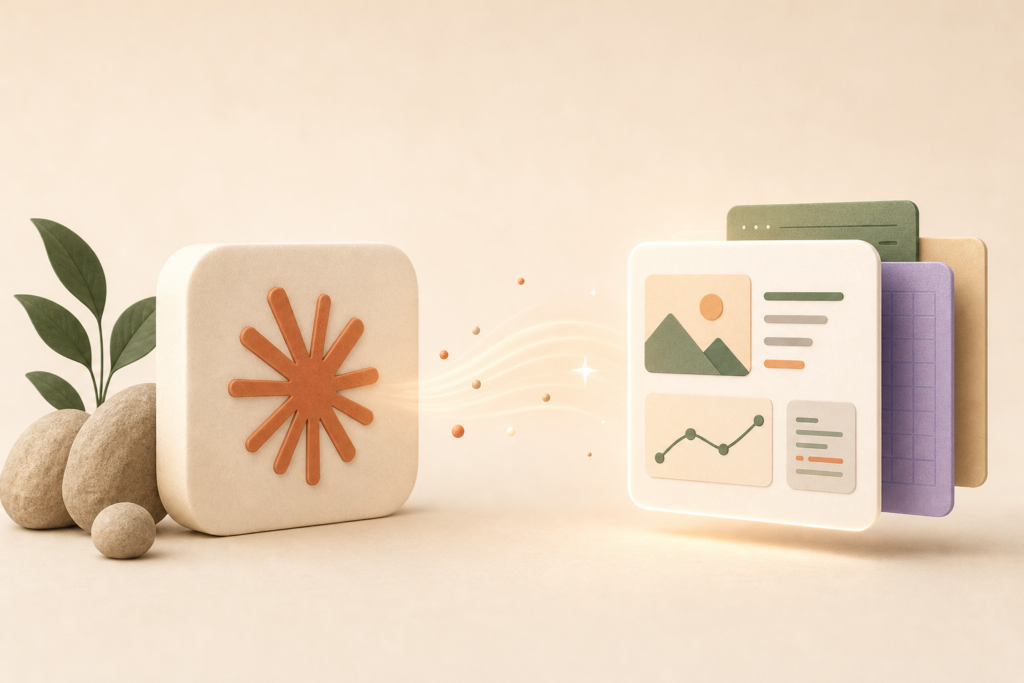
Claude’s Artifacts panel creates separate windows for code, documents, and diagrams. But when should you trigger it versus keeping everything in the chat? Here’s what works.

The legal status of AI-generated work is murky and evolving fast. Here’s what creators need to know about ownership, registration, and protection in 2026.