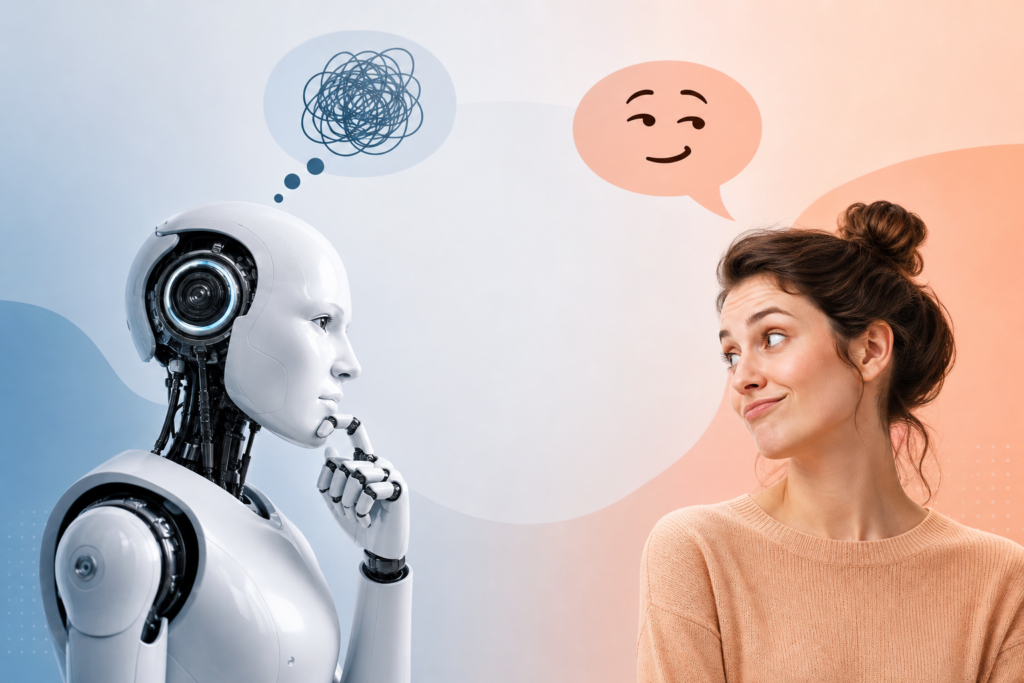
Sarcasm is one of the trickiest aspects of human communication. It requires understanding context, tone, and intent—all things AI models weren’t built to handle naturally. But in 2026, with models trained on billions of conversations, can they finally catch when you’re being sarcastic?
We ran a series of tests with ChatGPT, Claude, and Gemini to find out. The results reveal which models are getting better at reading between the lines—and where they still miss the mark completely.
The Sarcasm Test: What We Asked
We designed three types of prompts to test sarcasm detection:
- Direct sarcasm: “Oh great, another meeting. Just what I needed today.”
- Contextual sarcasm: “I love how my code works perfectly the first time, every single time.”
- Subtle sarcasm: “Sure, I’d be happy to rewrite the entire project over the weekend.”
For each prompt, we asked the model to identify whether the statement was genuine or sarcastic, and explain why. We also tested how they responded when we asked them to match the tone in their replies.
ChatGPT: Good at Detection, Cautious in Response
ChatGPT correctly identified sarcasm in all three examples. When we asked it to explain, it pointed to specific linguistic markers: the word “great” in a negative context, the exaggerated “every single time,” and the overly polite “I’d be happy to” paired with an unreasonable request.
However, when we asked ChatGPT to respond sarcastically, it hesitated. It acknowledged the sarcasm in our prompt but replied in a neutral, helpful tone instead of matching the energy. This is likely by design—OpenAI has tuned the model to avoid sounding dismissive or rude, even when the user is being sarcastic.
One interesting quirk: ChatGPT was more likely to mirror sarcasm if we explicitly said “respond in a sarcastic tone” rather than letting it infer from context alone.
Claude: Context-Aware but Overly Literal
Claude caught the sarcasm in the first two examples but stumbled on the third. When we said, “Sure, I’d be happy to rewrite the entire project over the weekend,” Claude initially interpreted it as genuine agreement before hedging with “though this might be sarcastic depending on context.”
Claude’s strength is nuance. It explained sarcasm detection in terms of pragmatics and conversational implicature, which is impressive—but it also made it more cautious about committing to an interpretation without additional context.
When asked to respond sarcastically, Claude declined outright, saying it prefers to communicate clearly and avoid misunderstandings. Fair enough, but it means Claude won’t match your tone if you’re venting sarcastically about a frustrating day.
Gemini: Hit or Miss
Gemini correctly identified the first example as sarcasm but treated the second one as a genuine statement about good coding practices. It missed the exaggeration entirely and offered earnest advice about version control and testing.
The third example was a coin flip—sometimes Gemini flagged it as sarcasm, other times it took it literally. This inconsistency suggests Gemini relies more heavily on specific keywords and less on broader conversational context.
Gemini was the only model willing to respond sarcastically without being explicitly asked. In one test, it replied to our fake enthusiasm about meetings with, “Right, because nothing says ‘productive day’ like back-to-back calendar blocks.” It’s a small thing, but it felt more conversational than the other models.
Why Sarcasm Still Trips Up AI
Even the best models struggle with sarcasm for a few reasons. First, sarcasm often depends on shared context—knowing someone’s workload, personality, or recent experiences. Models don’t have that background unless you provide it in the conversation.
Second, written sarcasm lacks the vocal cues (tone, inflection) that make it obvious in speech. AI models have to infer intent from word choice and structure alone, which is harder than it sounds.
Finally, models are trained to be helpful and avoid conflict. Responding sarcastically risks sounding dismissive, so most models err on the side of caution and stay neutral.
When It Matters (and When It Doesn’t)
For most practical uses—drafting emails, summarizing documents, writing code—sarcasm detection doesn’t matter. But if you’re using AI for customer support, content moderation, or analyzing feedback, missing sarcasm can lead to awkward or tone-deaf responses.
The good news? Models are getting better. If you need AI to understand sarcasm, add a quick note in your prompt: “I’m being sarcastic here” or “this is meant ironically.” That small clarification makes a big difference.
Want more insights on what AI can (and can’t) do? Subscribe to the One Two Three AI newsletter and get one useful AI idea in your inbox every day.